Festo Introduces Intelligent End Plates for Remote I/O System Expansion
ISLANDIA, N.Y., April 29, 2026 — OEM machine platforms evolve as additional zones, modules, or downstream cells are integrated into the original control design. When remote I/O extends beyond its initial boundary, added gateways, new Ethernet addresses, and separate power distribution increase wiring complexity and commissioning effort.
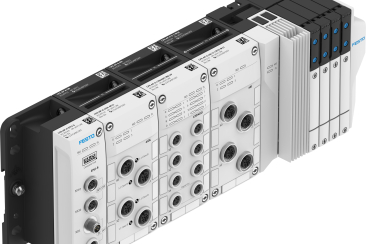
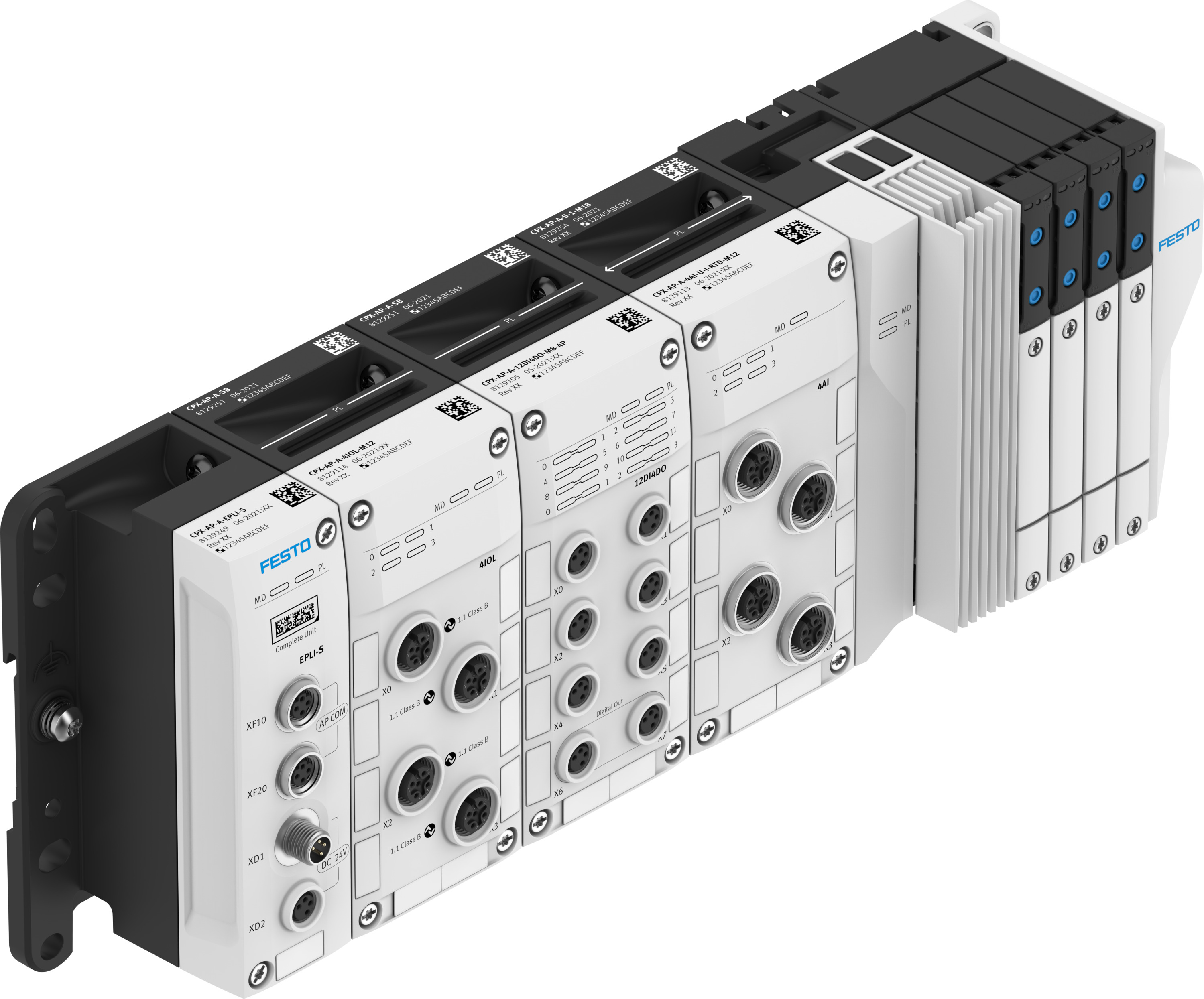
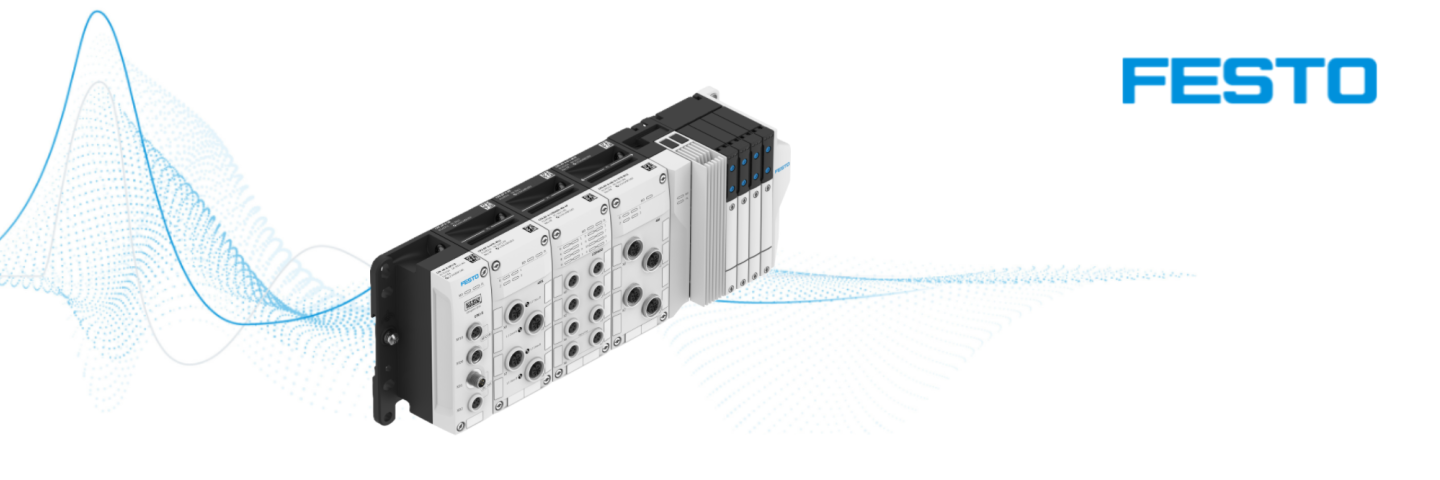
To simplify scalable machine architecture, Festo introduces intelligent end plates for the CPX-AP-A remote I/O platform. This solution extends system communication, diagnostics, and power across multiple machine zones. The intelligent end plates connect distributed on-machine I/O to cabinet-based PLC control with no cabinet rewiring or added gateways.
With intelligent end plates EPLI and EPLI-S, machine builders can scale remote I/O systems across independent machine sections without redesigning controls or duplicating power and networking connections. I/O and pneumatic valves can be placed at the point of use. The AP architecture maintains high-speed communication, unified diagnostics, and clean grounding across all segments. The intelligent end-plate capability supports modern modular and hybrid system architectures, reducing cabinet density, shortening wiring runs, and speeding up machine building and commissioning.
A new generation of remote I/O
CPX-AP-A remote I/O modules are based on over two decades of Festo expertise in distributed valve and I/O systems. Modules can be mounted together in a cabinet or placed individually across the machine – all appearing as one system to the PLC. This flexibility allows machine builders to locate valves, I/O, smart sensors, and safety functions exactly where needed, without adding fieldbus nodes or device profiles.
The AP architecture consolidates dozens of functions under a single industrial Ethernet address, reducing network complexity, controller overhead, and configuration time. It maintains high-speed communication and unified diagnostics across all machine zones, simplifying commissioning and maintenance while supporting scalable modular designs.
Intelligent end plates for AP system expansion
Intelligent end plates EPLI and EPLI-S extend the AP backplane, enabling the connection of additional modules without introducing gateways or consuming additional network addresses. The intelligent end plate EPLI is a convenient and efficient way to extend AP communications and system power to downstream modules. In addition, the EPLI-S provides power to connected modules. These two intelligent end plates give engineers full control over system architecture, cable routing, and power zones while maintaining AP timing and diagnostic fidelity across long distances (up to 50 meters [164 feet] between modules).
Festo’s design of the intelligent end plates preserves AP performance, bandwidth, and synchronization through each module. The result is cleaner field wiring and tubing runs, flexible power distribution, cabinet-free expansion to support modern machine cells, remote I/O and valve islands, and distributed power zones, without duplicating network nodes or adding protocol layers.
Engineers, OEMs, and integrators interested in evaluating EPLI and EPLI-S intelligent end plates should contact a Festo sales representative or distributor. For more information on the advantages of working within the Festo ecosystem to reduce engineering overhead, achieve faster time to market, seamless connectivity, and high-quality components, visit www.festo.com.
Festo is a leading manufacturer of pneumatic and electromechanical systems, components, and controls for process and industrial automation. For 100 years with more than 50 in the U.S., Festo Corporation has continuously elevated the state of manufacturing with innovations and optimized motion control solutions that deliver higher performing, more profitable automated manufacturing and processing equipment. Through advanced technical and industrial education, Festo Didactic Learning Systems and its partners prepare workers for current and future manufacturing technologies.