This content was translated automatically.
As hydrogen grows in importance, automation must keep pace
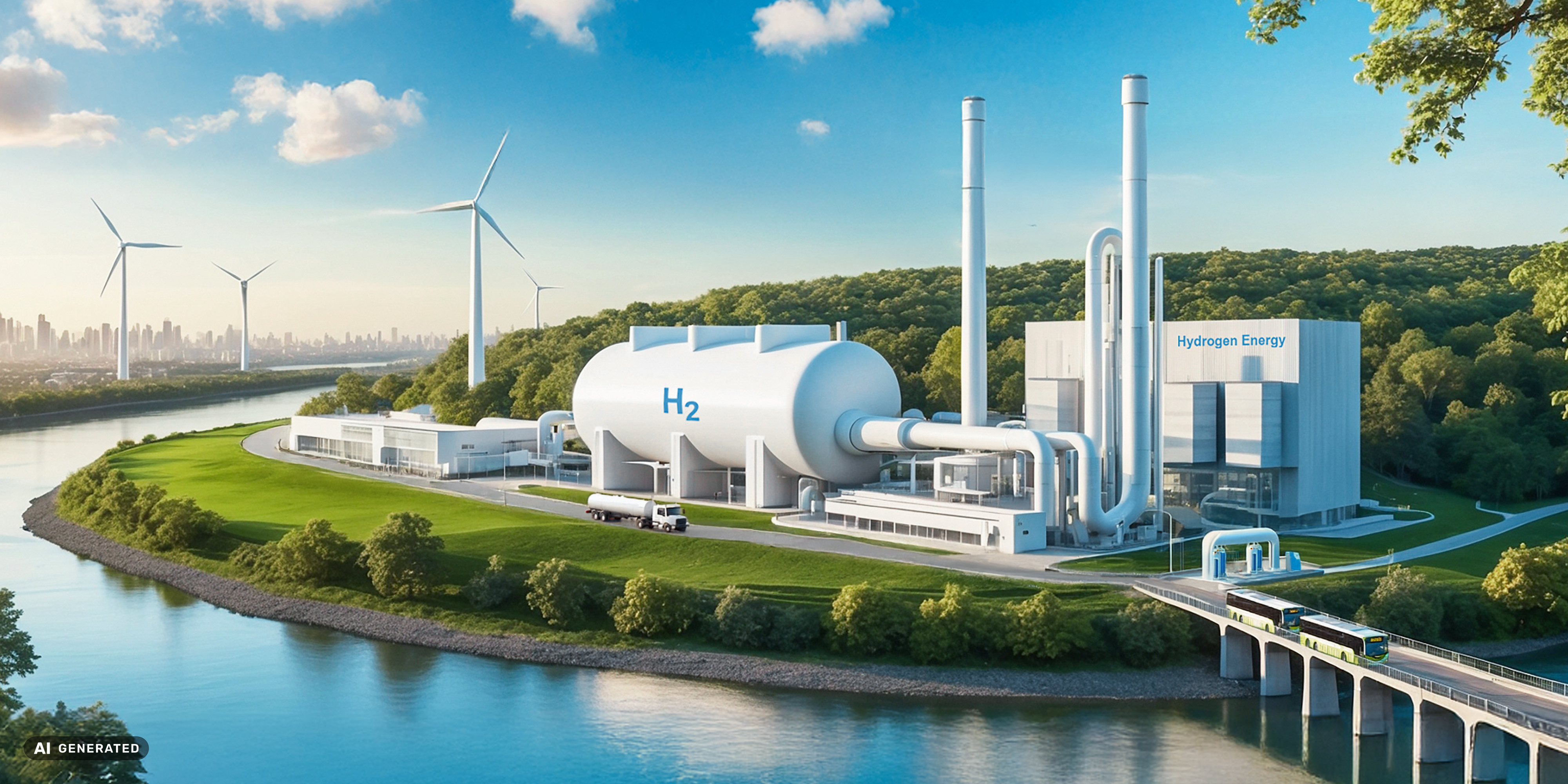
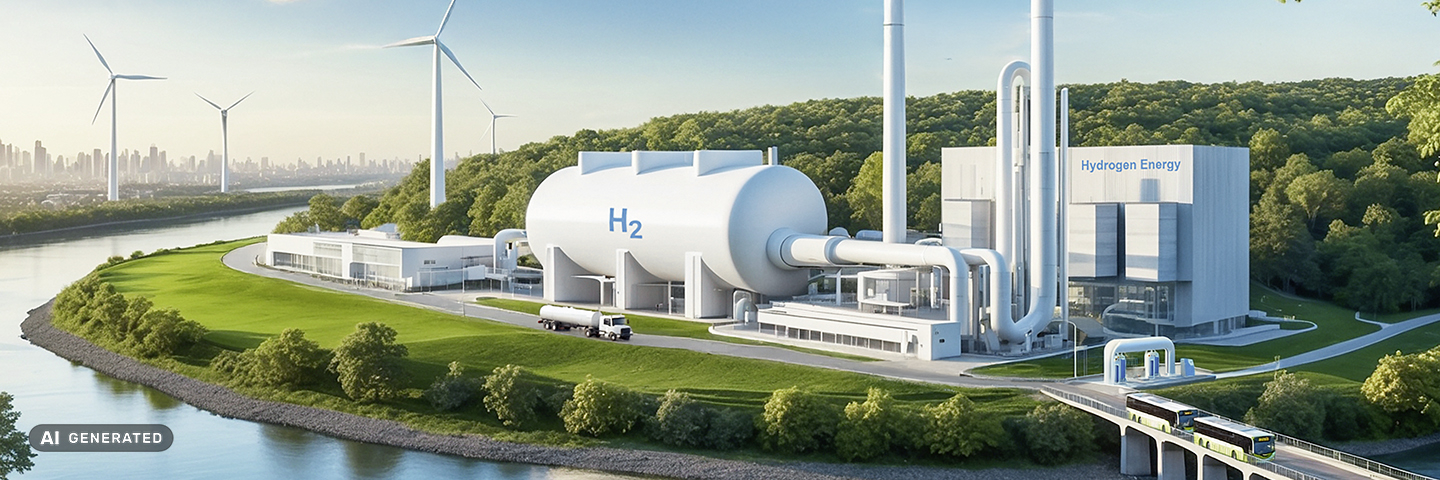
An electrolyser produces hydrogen. However, for industrial use, this marks the start of the next challenge: valves must switch reliably, pressure and flow must be precisely controlled, signals must be processed, and critical conditions must be safely managed. As the plant grows, the automation must grow with it. At the Hydrogen Technology World Expo, taking place from 20 to 22 October 2026 in Hamburg, Festo will demonstrate how hydrogen plants can be automated in a modular and safe manner.
The electrolyser is just the beginning
In industrial operation, the interaction of many components determines how reliably a hydrogen plant runs. Festo therefore focuses directly on the process. Individual valves, valve islands and remote I/O systems can be deployed decentrally and support modular plant concepts for electrolysers, purification units such as PSA and skids. This reduces cabling routes and makes it easier to implement expansions.
Start small. Scale safely. One example of this is the CPX-AP-I remote I/O system. It connects automation components such as the VTUG valve terminal, individual valves or sensors from various modules, thereby enabling a flexible, decentralised architecture directly within the plant environment.
Safety is an integral part of the design
Hydrogen places high demands on plant safety. Explosion protection and functional safety must therefore be part of the automation concept right from the start. Festo supports plant engineers with components and automation solutions for potentially explosive atmospheres, as well as with expertise in safety-related applications. It is not a question of using as much technology as possible. It is about making complexity manageable.
Fewer interfaces, greater focus on the plant
As plant size increases, the number of components, interfaces and suppliers often rises as well. Festo can therefore combine automation components into coordinated, pre-configured and tested systems. This reduces the coordination effort and helps plant engineers to concentrate more on their actual task: bringing hydrogen plants to industrial scale safely and economically. After all, scale-up is not simply a matter of placing another electrolyser alongside the first ones. The automation behind it must be designed in an equally modular way. At the Hydrogen Technology World Expo 2026, Festo will demonstrate how this can work in practice.
Come and visit us at our stand. We look forward to seeing you!
20–22 October 2026
Hamburg Messe
Hall B6, Stand 6L40
Festo is a global player and an independent family-owned company with headquarters in Esslingen am Neckar, Germany. Festo has set standards in industrial automation technology and technical education ever since its establishment, thereby making a contribution to sustainable development of the environment, the economy and society. The company supplies pneumatic and electrical automation technology to 300,000 customers of factory and process automation in over 35 industries. Digitalization, AI and the LifeTech sector with medical technology and laboratory automation are becoming increasingly important. The products and services are available in 176 countries. With about 20,600 employees in over 250 branch offices in around 60 countries worldwide, Festo achieved a turnover of around €3.33 billion in 2025. More than 8% of this turnover is invested in research and development. In this learning company, 1.5 % of turnover is invested in basic and further training. Festo Didactic SE is a leading provider of technical education and training and offers its customers worldwide comprehensive digital and physical learning solutions in the industrial environment.