This content was translated automatically.
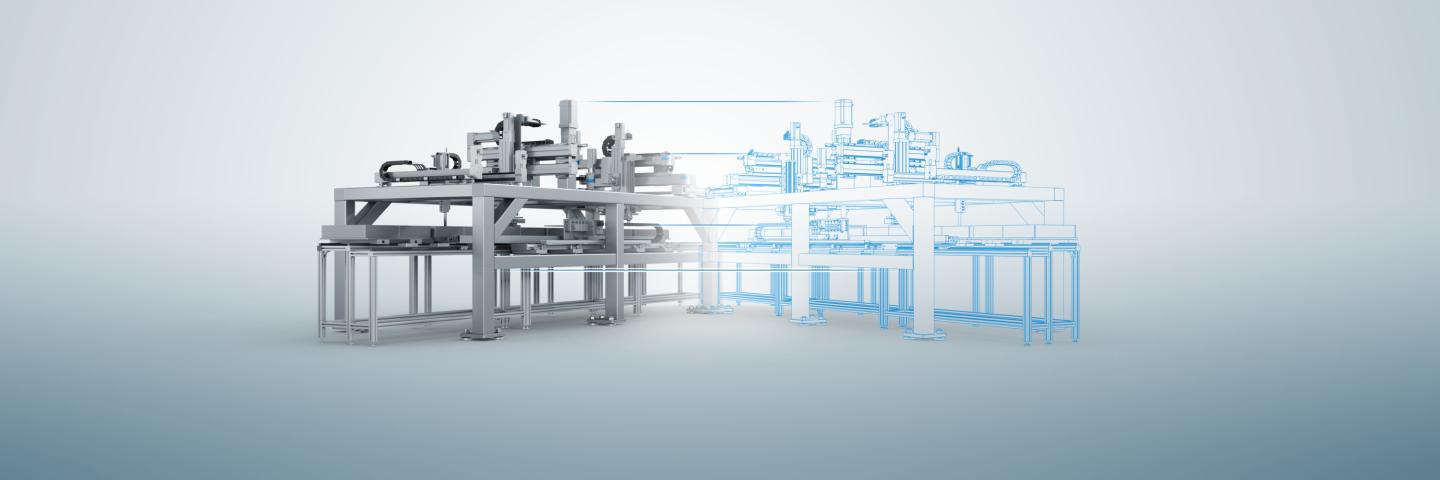
Festo is developing digital twins for Physical AI using NVIDIA technologies
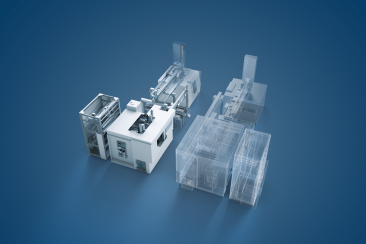
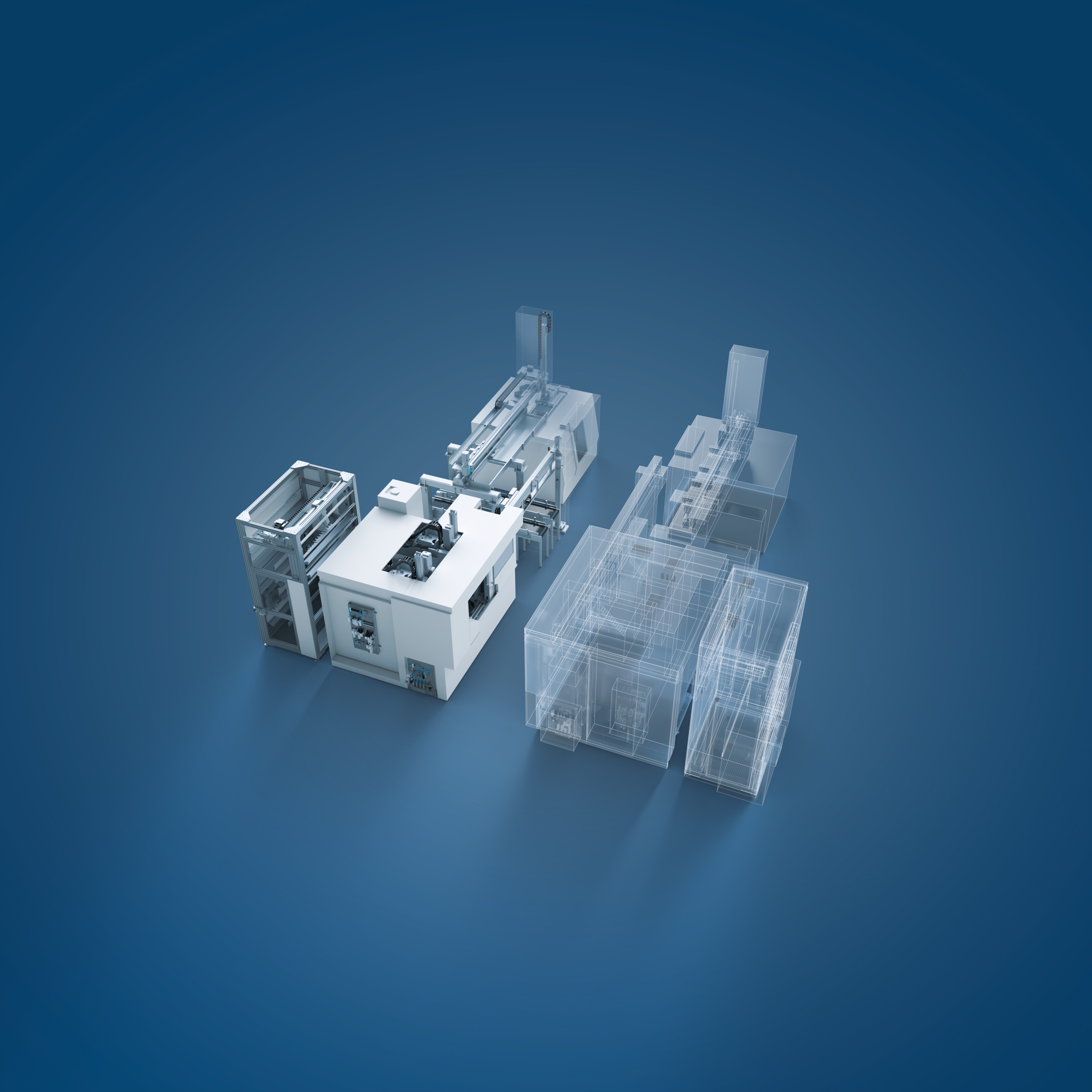
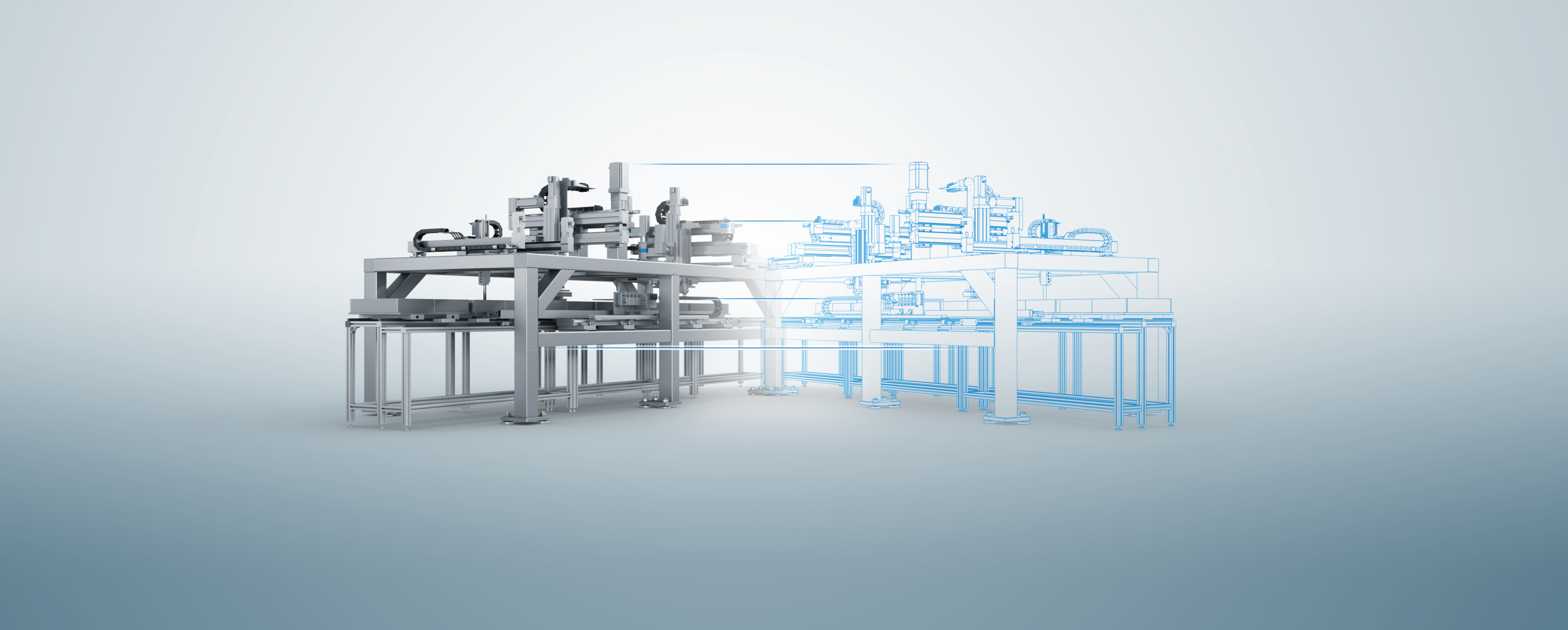
When a machine combines different functions, engineers need to understand how these work together before the system is installed. Virtual models can help to evaluate concepts, optimise machine processes and resolve integration issues whilst the development is still underway. Festo has already utilised NVIDIA Isaac Sim, an open simulation framework, and synthetic data for robotic perception and automation capabilities. This experience, combined with the existing capability to export USD data, forms the starting point for extending models to include motion behaviour and application-relevant properties, thereby enabling the reliable evaluation of components’ real-world behaviour in simulations.
“The collaboration between NVIDIA and Festo is a milestone for the future of industrial automation,” says Prof. Dr Tomas Smetana, Chief Technology Officer (CTO) at Festo. “By combining NVIDIA Omniverse libraries with Festo’s decades of automation expertise, we are creating a learning virtual environment for the autonomous production of the future.”
Festo’s quality standards for digital product models
“Our digital models must be just as trustworthy as our hardware,” says Jan R. Seyler, Head of Physical AI and Digital Thread at Festo. “Our aim is to provide product models that meet Festo’s high quality standards and enable the development and validation of automation solutions that are as close to reality as possible.”
To enable systematic evaluation of model quality in future, Festo plans to compare measurements from its own laboratories with simulation results in NVIDIA Isaac Sim. This open simulation framework, based on NVIDIA Omniverse libraries, enables evaluation within complete automation scenarios. Under defined operating conditions, simulated movements and dynamic behaviour will be compared with corresponding measurements taken from real components, and the models will be specifically improved.
Festo and ABB Robotics are working with NVIDIA on a virtual handling application
A concrete step in this development is the collaboration with ABB Robotics and NVIDIA. In a joint handling application, the partners are linking digital twins of a three-axis Festo handling system with ABB RobotStudio®. This is intended to enable machine builders to clarify processes and integration issues before physical assembly, accelerate commissioning and shorten time-to-market. The RobotStudio® HyperReality extension links RobotStudio with NVIDIA Omniverse libraries for photorealistic, physics-based simulations. The ABB Virtual Controller enables robot programmes to be tested virtually using the same control software as on real ABB robots.
“Together with our partner network, ABB Robotics is developing more autonomous and versatile robotic solutions that can perform more tasks in more locations faster, more safely and more intelligently,” says Boris Fiedler, Head of Operations and Portfolio, Software and Digital, ABB Robotics. “The collaboration with Festo and NVIDIA will advance engineering and virtual commissioning for machine builders and help to drive the widespread adoption of industrial-grade Physical AI within companies.”
For Festo, the collaboration represents a concrete step forward in developing a reliable digital foundation for Physical AI. In the long term, the company aims to narrow the gap between simulation and reality to such an extent that automation solutions developed virtually can be transferred to real machines with as little adaptation effort as possible.
Festo is a global player and an independent family-owned company with headquarters in Esslingen am Neckar, Germany. Festo has set standards in industrial automation technology and technical education ever since its establishment, thereby making a contribution to sustainable development of the environment, the economy and society. The company supplies pneumatic and electrical automation technology to 300,000 customers of factory and process automation in over 35 industries. Digitalization, AI and the LifeTech sector with medical technology and laboratory automation are becoming increasingly important. The products and services are available in 176 countries. With about 20,600 employees in over 250 branch offices in around 60 countries worldwide, Festo achieved a turnover of around €3.33 billion in 2025. More than 8% of this turnover is invested in research and development. In this learning company, 1.5 % of turnover is invested in basic and further training. Festo Didactic SE is a leading provider of technical education and training and offers its customers worldwide comprehensive digital and physical learning solutions in the industrial environment.