Festo Cuts EOAT Air Use and Improves Grip Control with VTUX Eco Functions
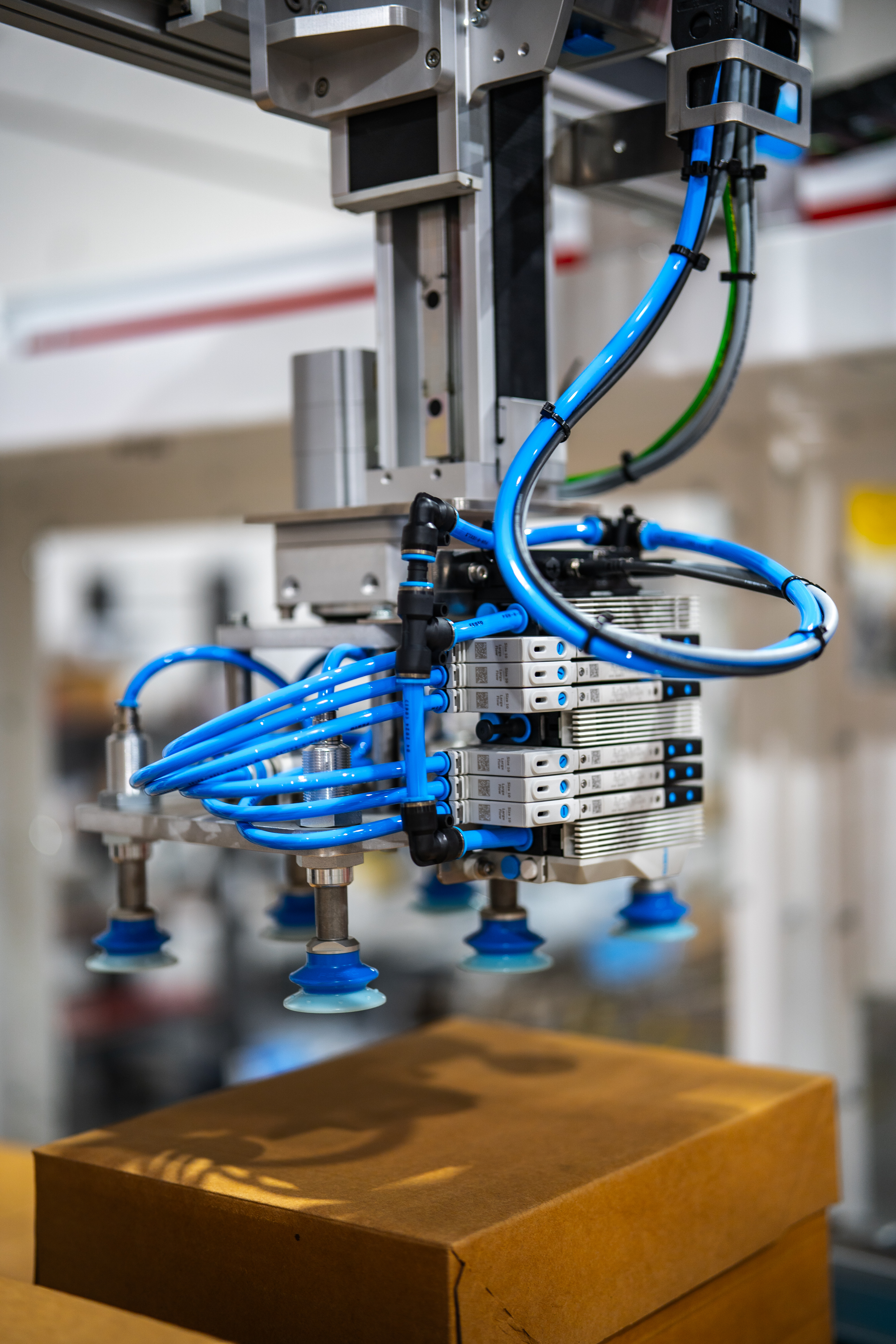
ISLANDIA, New York, July 14, 2026 — At the robot end of arm tool (EOAT), excess weight slows motion, continuous vacuum wastes compressed air, and undetected grip loss leads to dropped parts and unplanned downtime. Many pneumatic systems at the end of arm still fall short on all three functions.
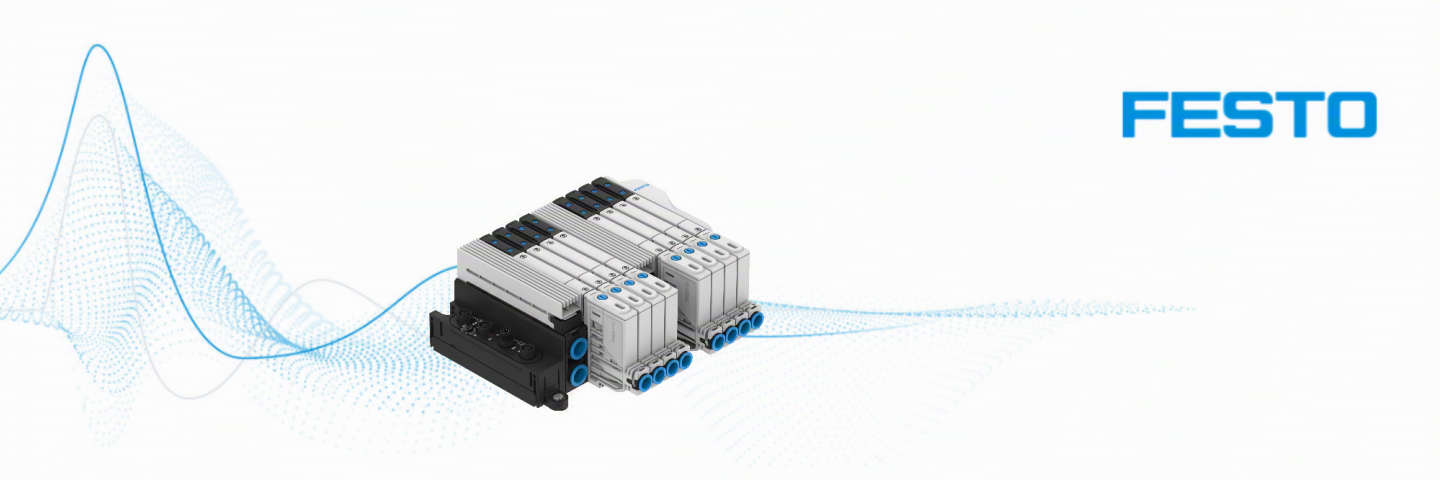
The Festo VTUX valve terminal addresses these issues. The VTUX is a modular valve terminal that integrates pneumatic control, vacuum generation, and I/O into a single platform mounted at the point of actuation. New eco functions and a multiprotocol interface extend that platform with lower air consumption, improved grip visibility, and simpler integration.
On the vacuum side, VTUX uses threshold-based control to generate vacuum only when needed. Instead of continuous air consumption, the system maintains vacuum within defined limits and only consumes air when levels fall outside those limits. This reduces compressed air use by up to 20-30% while maintaining a stable grip.
On the pressure side, eco functions reduce air consumption to actuators by dynamically adjusting pressure to match the load and motion profile. After a short learning phase, the system determines the minimum pressure required to complete the motion and eliminates excess air use. Eco functionality delivers up to 40 percent reduction in compressed air consumption while maintaining the required actuator performance.
Sensors and processing built into the VTUX provide pressure and vacuum data at the point of use. Functional integration gives OEMs simpler specification and reduced assembly.
The VTUX is designed for decentralized installation and can be mounted directly on moving elements or positioned anywhere on the machine. Its lightweight polymer construction reduces moving mass, while its modular architecture allows systems to be configured and expanded as requirements change.
Locating control closer to actuation reduces tubing length, improves response time, and lowers overall energy consumption. VTUX valve terminals have a resilient supply chain and are assembled and tested prior to shipment at Festo’s Regional Service Center in Mason, Ohio.
Decentralized Intelligence and Networking
As machine architecture becomes more distributed, original equipment manufacturers (OEMs) increasingly need cost-effective ways to add valves, diagnostics, and sensor connectivity without redesigning existing control systems or maintaining multiple communication configurations across global platforms.
Addressing these challenges, the new CTED module provides a decentralized, low-cost “third option” for expanding VTUX valve terminal networks, allowing OEMs to add valves without re-engineering the host architecture.
CTED modules are configurable to major fieldbus protocols, including EtherNet/IP, PROFINET, EtherCAT, CC-Link, and Modbus TCP.
The CTED multiprotocol capability eliminates the need to stock various communication modules or valve terminals for different control architectures. It simplifies specification and inventory management across different control architectures and global markets.
CTED utilizes a serial interface rather than a parallel bridge. This shift allows VTUX valve terminals to deliver diagnostic data and sensor feedback directly through the terminal. Because sensor feedback travels directly through the serial link, the system provides expanded diagnostic data for machine operation and maintenance.
For more information on the company’s range of pneumatic and motion control and I/O solutions, visit www.festo.com or contact a Festo representative or distribution partner.