This content was translated automatically.
Automated dismantling of electric batteries
An electrician with additional high-voltage qualifications needs several hours to completely dismantle an electric car battery. "In view of the shortage of skilled workers and the millions of used batteries expected in the coming years, this is time that a recycling company does not have," emphasises Viktor Bayrhof, Product Manager at Liebherr-Verzahntechnik in Kempten.
Every screw under control
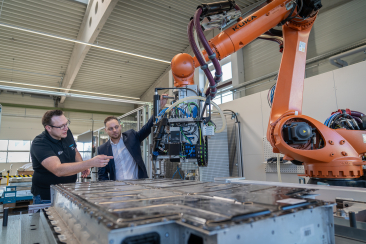
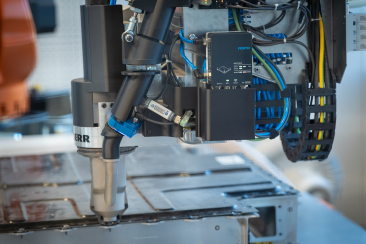
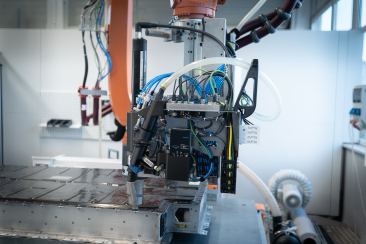
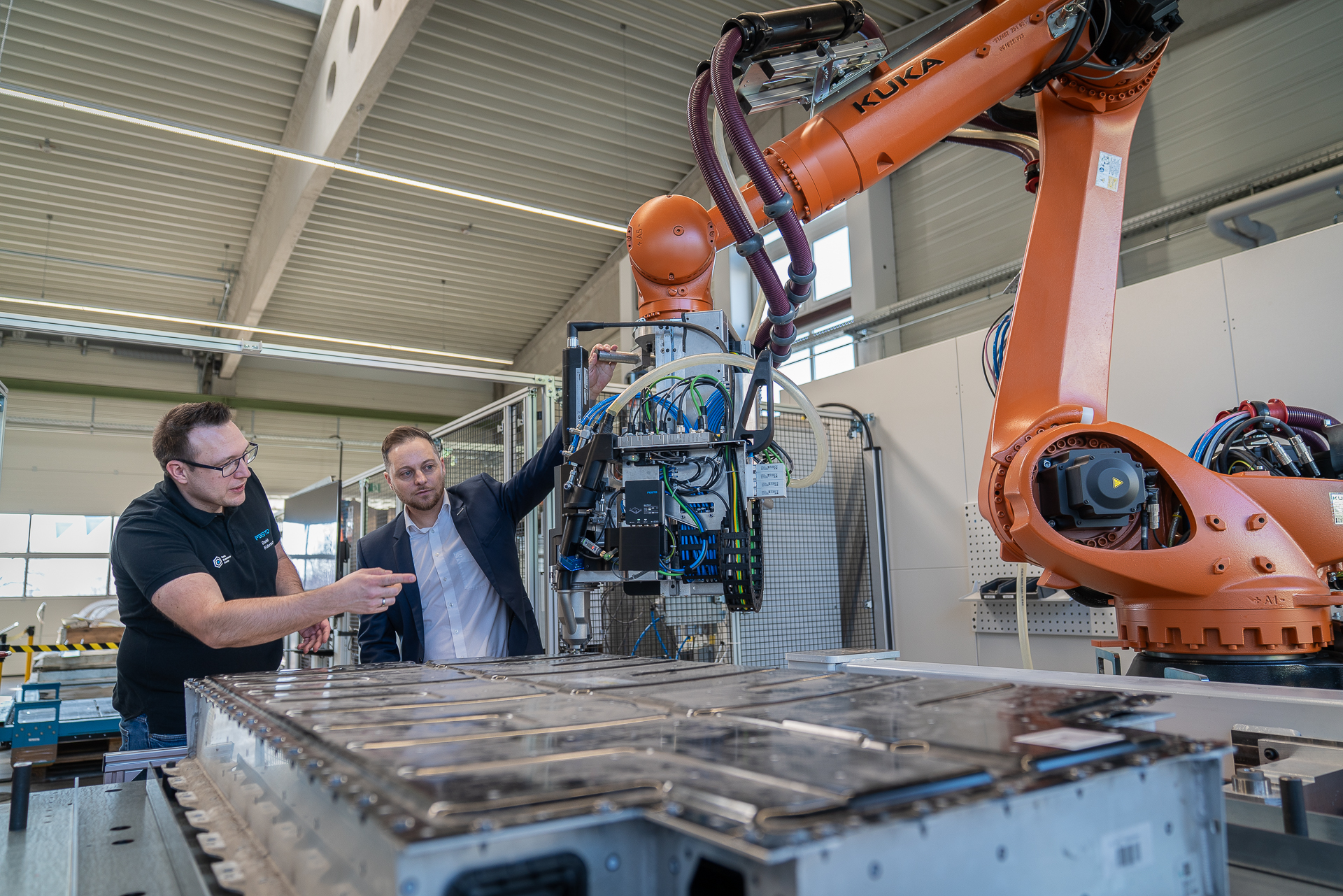
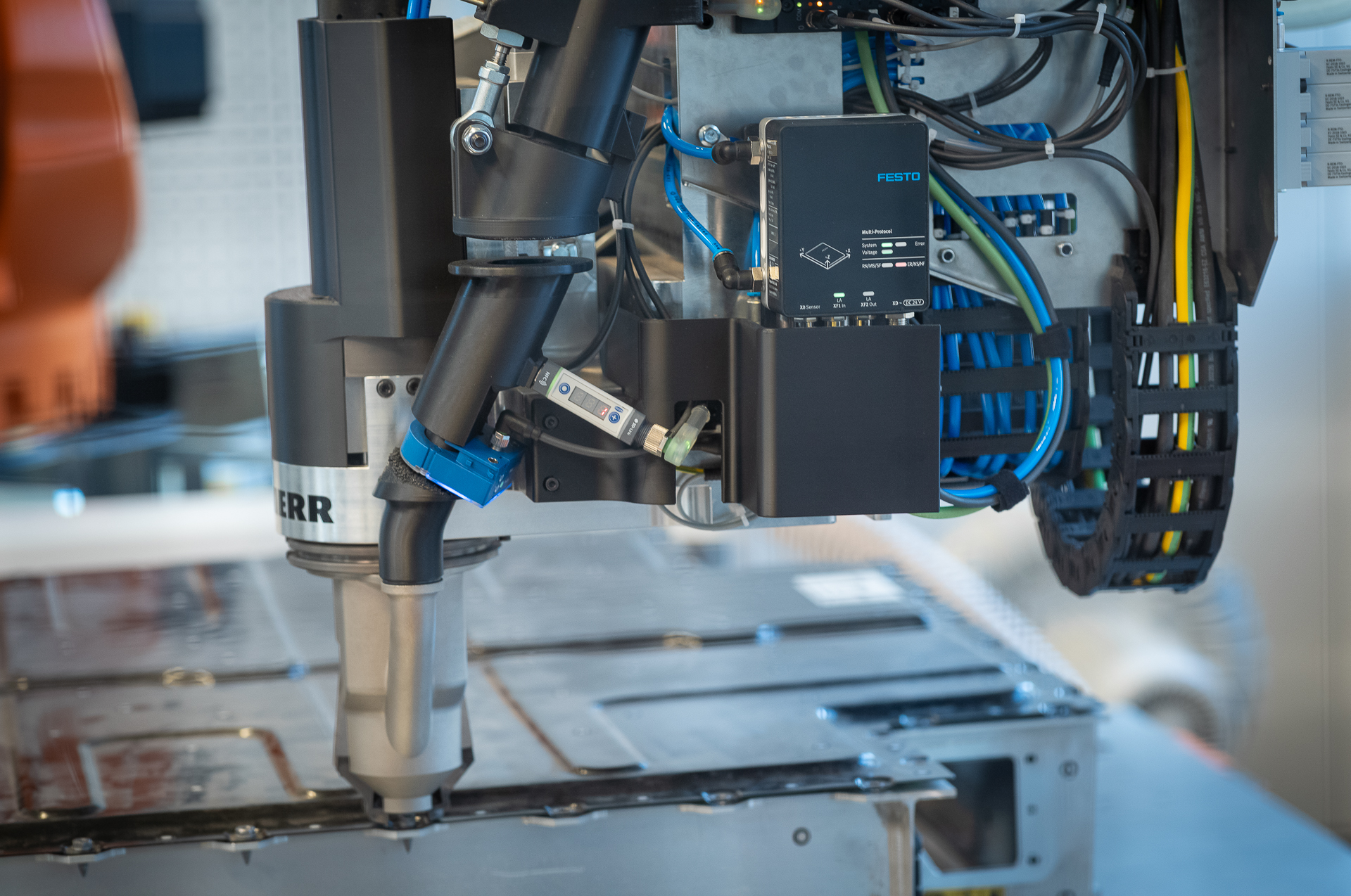
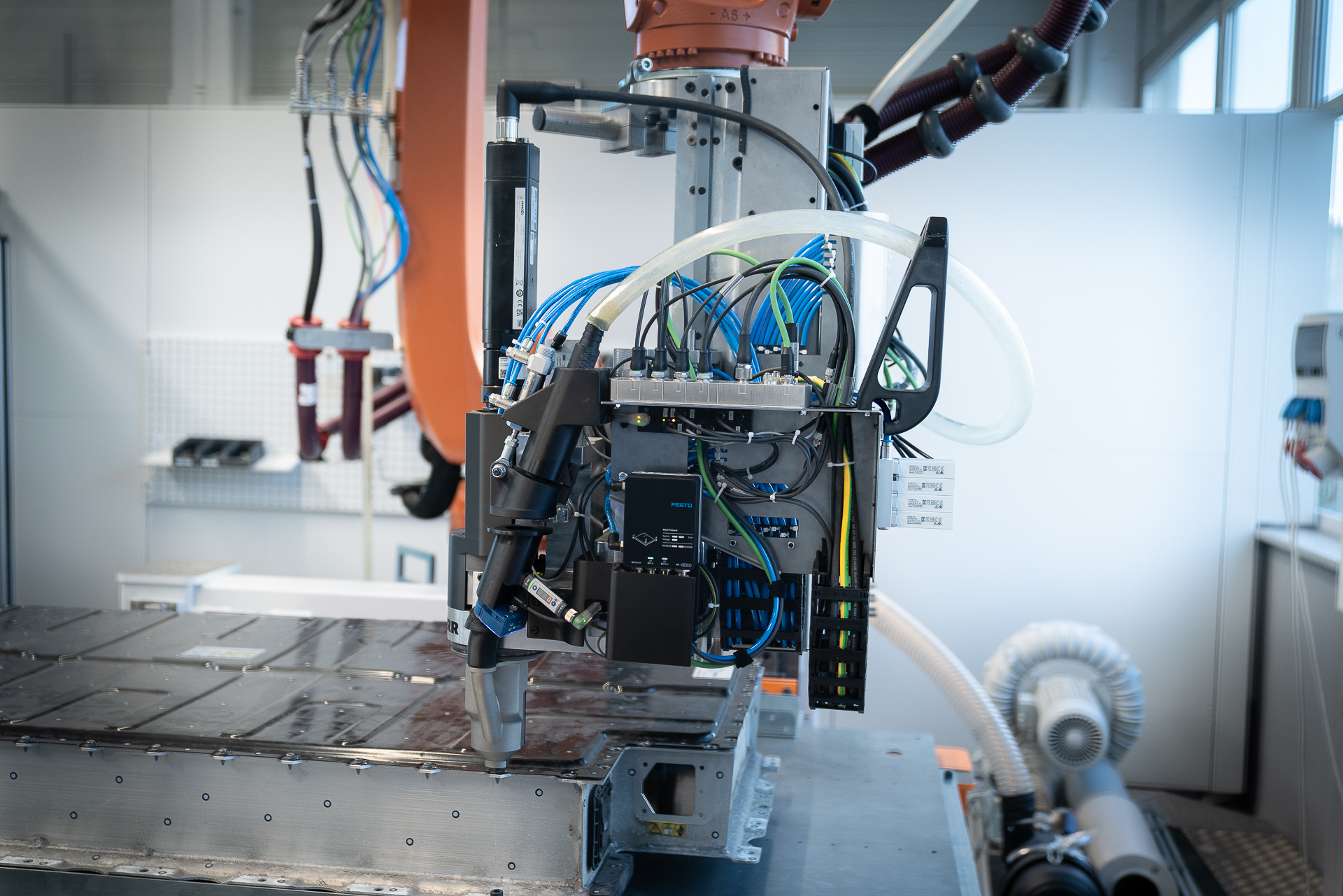
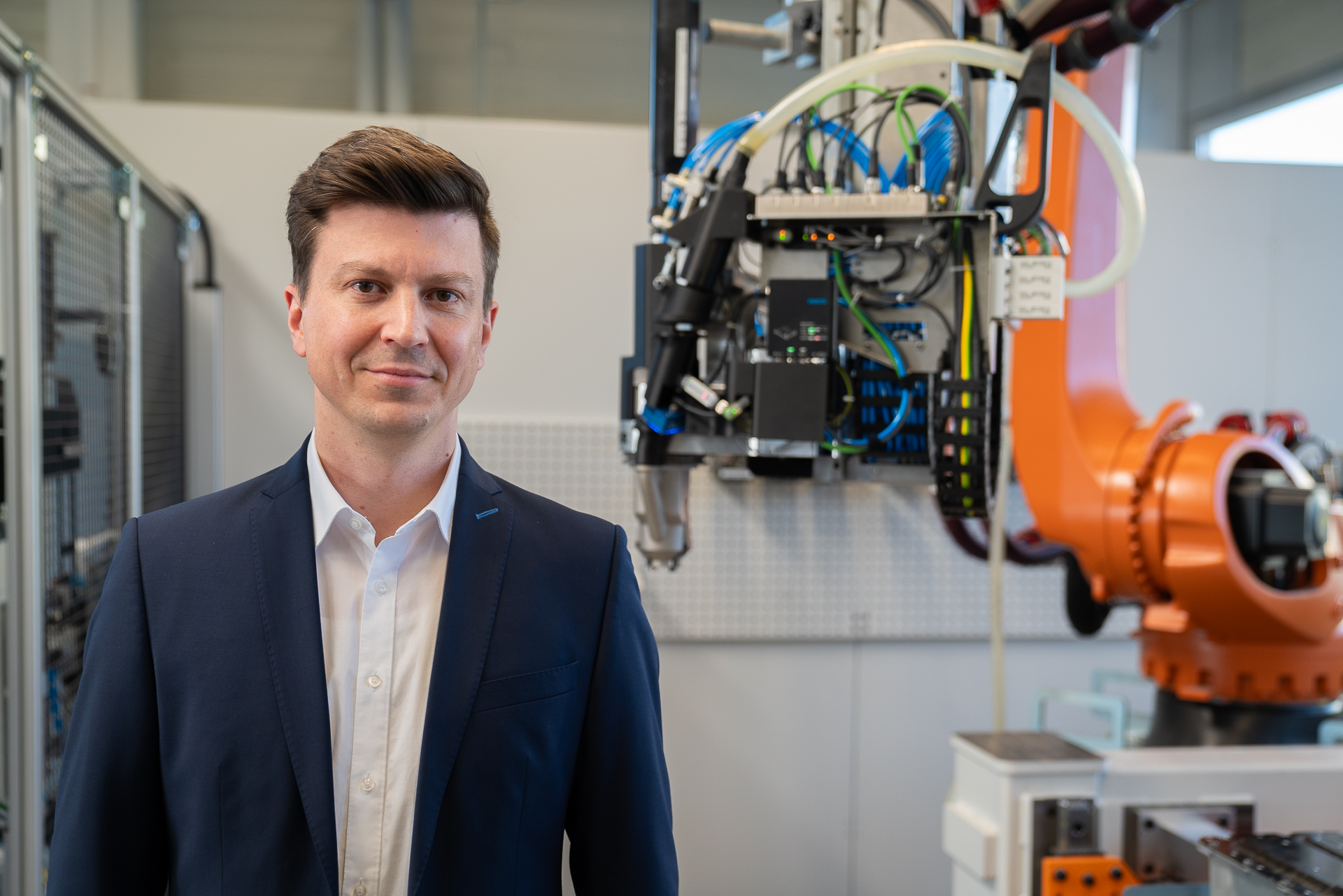
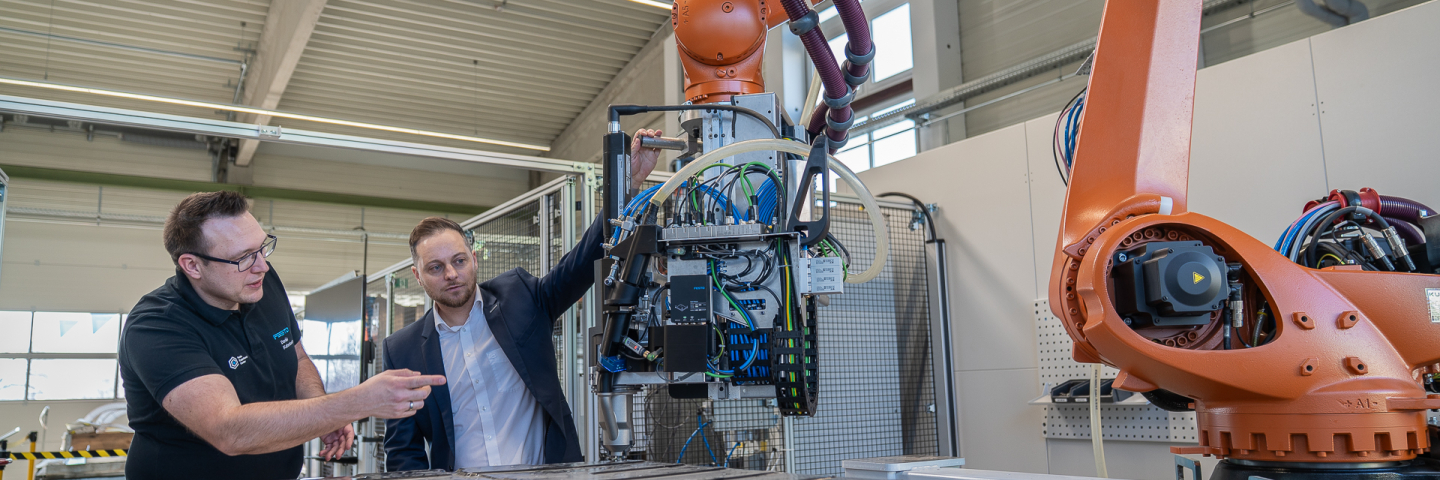
Liebherr has therefore developed a robotic disassembly system that can even cope with the often wild mix of screws, whether Torx or hexagonal. The automated unscrewing system of the "LHDismantle" has an automated tool changer on board and disposes of the screws using a pick gripper or extraction system. "The system operators don't even need to have any knowledge of robotics or automation, as operating the system requires no knowledge of programming or teaching," explains Daniel Reischmann from Technical Sales Automation E-Mobility at Liebherr. The company can integrate the robot cell as part of a system to completely dismantle the components of a battery pack.
No vision system is required for operation: the patented unscrewing process with tactile setting stage makes the unscrewing tool robust against dirty or damaged screws. Festo's CMAD servo-pneumatic position controller controls the clamping jaws of the gripping tool. It gives the gripping system the characteristics of an electric gripper. At the same time, the gripping system is considerably lighter and more robust, making it virtually predestined for this end-of-arm application.
Precise force control in every position
With the servo-pneumatic position controller CMAD, robot grippers can exert a given force with an accuracy of 0.2 mm in both horizontal and vertical orientation. Thanks to the integrated position detection in space, the CMAD position controller can maintain a constant force even if the position in space changes. Liebherr also utilises this property in the LHDismantle, as the bolts of a vehicle battery are not only installed vertically, but also horizontally. In the future, this solution will also enable the automation of other bolting processes, for example as part of complete vehicle disassembly.
Pneumatic drives are particularly popular for use with robots and at the front end. With their low weight in combination with high power density, they are virtually predestined for these end-of-arm applications. The fact that pneumatic drives could only be operated in open-loop mode limited their use until now. The CMAD with its piezo valves now makes it possible to operate even small pneumatic cylinders in a controlled manner.
This gives it the position control characteristics of an electric system - but with much less weight. The piezo valves can be operated in both position and force control mode. The CMAD position controller is flanked by the VEAB proportional pressure control valve with its precise controllability at low flow rates, the VTUX flexible valve terminal and many pneumatic cylinders.
Valuable tests in the Festo Experience Centre
"The development of the CMAD position controller came at exactly the right time, so that we were able to dispense with the previously used, not always reliable vision system during the further development of the system," explained Jan Pollmann, Head of Development at Liebherr. "The experts at the Festo Experience Centre FEC Esslingen, with whom we were able to put the planned solution through its paces, helped us a great deal."
With the use of the automated LHDismantle system from Liebherr, battery recycling companies are well prepared for the future, as the pressure to act is great: the volume of used batteries from electric vehicles in the EU is expected to increase more than tenfold by 2030. This will make it possible to recover valuable raw materials such as lithium, cobalt and nickel and, thanks to automation, electric vehicle manufacturers will be able to meet the recycling quotas required by the EU at an acceptable cost.
Festo at the Battery Show Europe: Hall 3 Stand E10
Liebherr at the Battery Show Europe: Hall 3 Stand E05